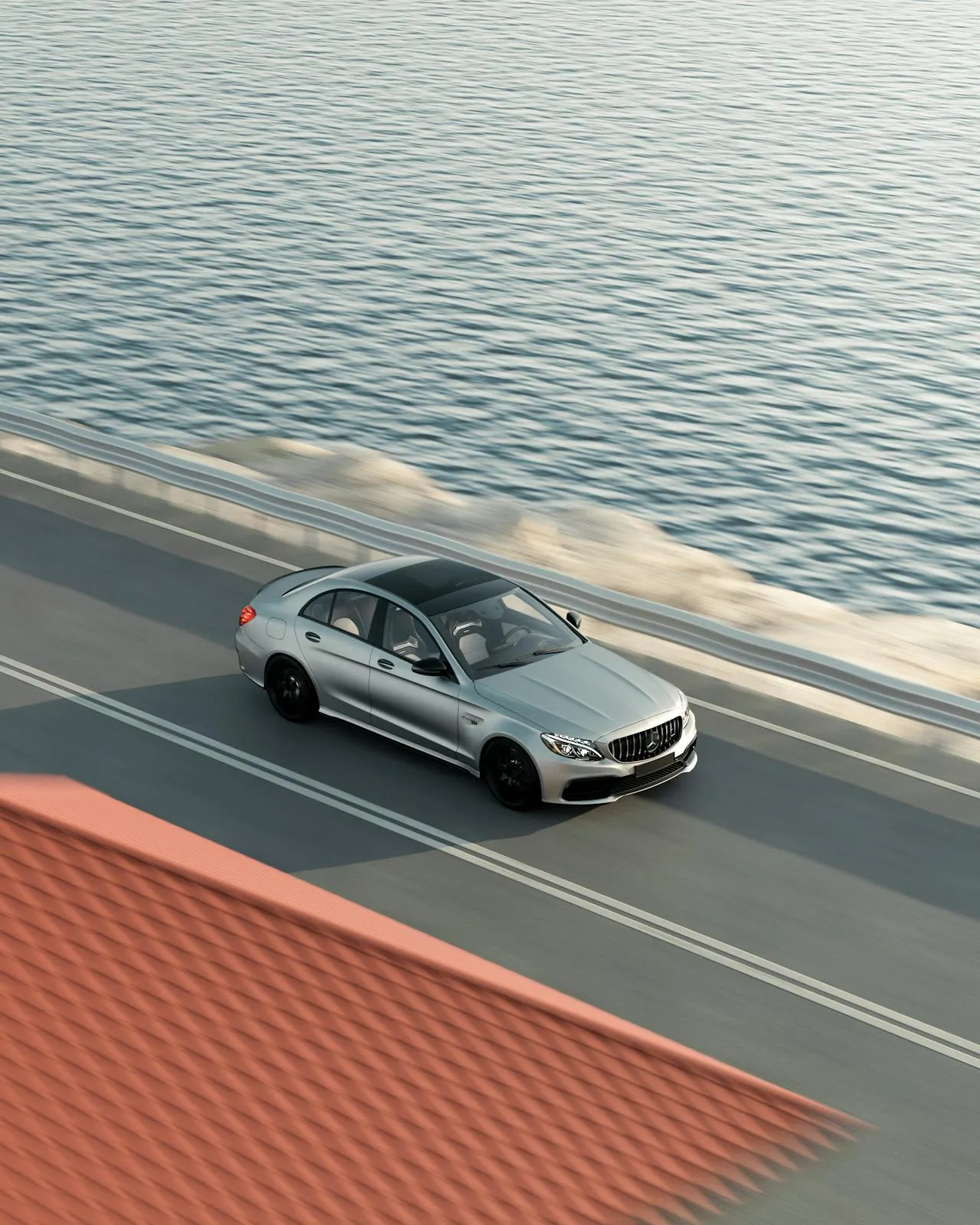
Driving Montenegro from Tivat, A Practical Road Guide
Montenegro is small on the map but slow on the road. Mountain switchbacks, single-lane tunnels, and winding bay roads mean a 50 km drive can take an hour. That is not a complaint, the scenery is the reason most people rent a car. But plan your daily distances realistically. Two destinations per day is comfortable. Three is rushed.
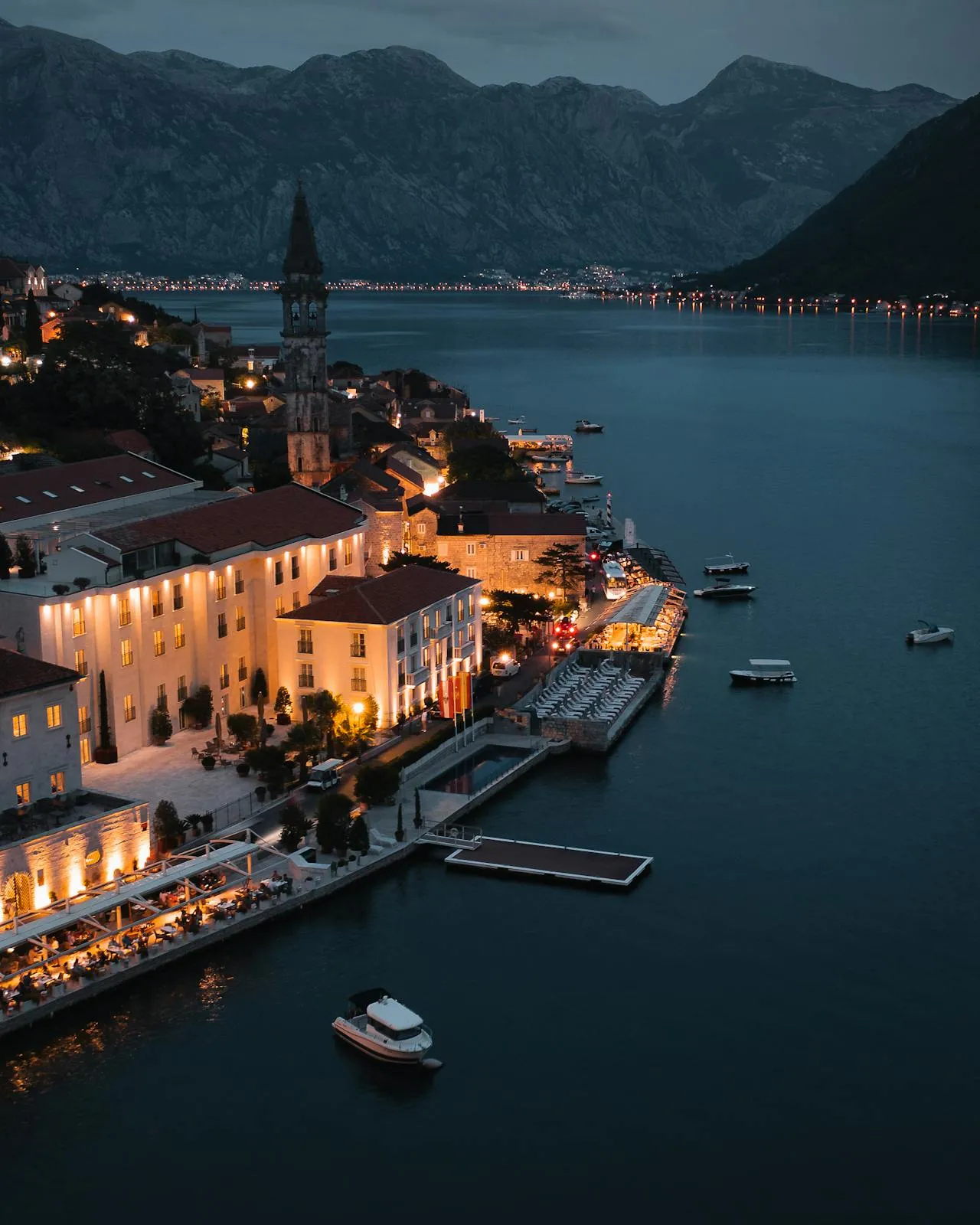
TIV airport sits roughly halfway along the Bay of Kotor, which means you are already in the middle of the action when you collect your car. Kotor is north, Budva is south, Porto Montenegro is across the road, and inland Montenegro, Cetinje, Podgorica, Durmitor, branches off via tunnels and mountain passes.
Leaving the Airport
Exit the TIV car park and you hit the main road immediately. Turn left (north) for Kotor via the Vrmac tunnel (12 min) or the bay road (20 min). Turn right (south) for Budva via Radanovici (25 min). Straight ahead across the roundabout reaches Porto Montenegro marina in 3 minutes. The Jugopetrol fuel station is 800 metres to the right, fill up before heading out, especially if driving to Podgorica where mountain-route fuel stops are scarce.Collect at Tivat Airport car hire and start driving immediately.
Realistic Drive Times from TIV
Kotor: 12 min (tunnel) / 20 min (bay road). Perast: 20 min. Budva: 25 min. Herceg Novi: 35 min (Verige ferry) / 55 min (bay road). Sveti Stefan: 30 min. Cetinje: 60 min. Podgorica: 90 min (Sozina tunnel) / 2.5 hr (mountain road). Durmitor / Zabljak: 4 hr.
These times assume dry conditions and light traffic. In July, August, add 15-20 minutes to any route passing through Budva or the Kotor approach road. The Verige ferry at Kamenari, Lepetane runs every 15 minutes, costs about 5 EUR, and saves 30+ minutes versus driving around the full bay to Herceg Novi.
Documents and Rules
Police checkpoints appear randomly on main roads. They are routine and nothing to worry about if you carry:
- Driving licence (international permit accepted alongside national licence)
- Rental contract, original, not a photocopy or screenshot
- Insurance documents (should be in the glovebox from pickup)
- Green Card if crossing any border (about 15 EUR for 15 days, arranged at booking)
Traffic Law Essentials
- Seat belts mandatory for all passengers, front and rear
- Zero tolerance for mobile phone use while driving, hands-free only
- Zero alcohol tolerance, the legal limit is 0.00%
- Speed limits: 50 km/h in towns, 80 km/h on open roads, lower on mountain sections
Road Conditions and Fuel
Main coastal roads (E65/E80) are well-surfaced and marked. Mountain roads vary, some have no guardrails, limited lighting, and single-lane sections with blind corners. Fuel stations are plentiful along the coast (Jugopetrol, Petrol, Ina) but sparse once you head inland past Cetinje. Fill up before mountain routes. Diesel is cheaper than petrol; LPG is available at larger stations.
Key Routes from Tivat
The Bay Road (E65/E80)
Follows the entire Bay of Kotor shoreline from Herceg Novi through Risan, Perast, and Kotor, then south past Tivat to Budva. This is the scenic backbone of coastal Montenegro. Sections between Kotor and Perast are narrow with blind corners, use your horn on tight bends. The Verige ferry at Kamenari shortcutting across the bay mouth is part of this route network.
The Inland Road (E762 / Sozina Tunnel)
Connects the coast to Podgorica via the 4.2 km Sozina toll tunnel. The toll is approximately 3.50 EUR (cash or card). This is the fastest route to the capital and avoids the dramatic but slow mountain road over Lovcen. North of Podgorica, the E65 continues to Kolasin and eventually Zabljak in the Durmitor mountains.
Border Crossings
Cross-border travel is standard with a Green Card in the glovebox. The Croatia crossing at Debeli Brijeg is busiest (July, August mid-day queues of 1-2 hours). Albania via Sukobin/Muriqan near Ulcinj is quicker. Bosnia via Scepan Polje or Vilusi is rarely congested. Always have passport, rental contract, and Green Card accessible, not in the boot.
Seasonal Considerations
Summer (June, September): peak traffic, full car parks, higher rental prices, daily flights from across Europe. Book vehicles and accommodation early. Winter (October, May): quieter roads, lower prices, reduced ferry frequency, mountain passes occasionally closed by snow. The Vrmac tunnel and Sozina tunnel operate year-round regardless of weather.