What Is Solila
Solila is a 150-hectare saltwater wetland wedged between Tivat Airport's southern perimeter and the road to Porto Montenegro. Until the mid-twentieth century, it was a working salt pan, locals harvested sea salt here for centuries. When industrial salt production moved elsewhere, the pans flooded naturally and became one of Montenegro's most important bird habitats. The site was declared a protected nature reserve in 2008.
From the airport car park, you can reach the Solila boardwalk in a five-minute drive or a fifteen-minute walk along the roadside path. It is the kind of place you can visit for thirty minutes between picking up your car and heading to your hotel, or spend half a day with binoculars and a camera if ornithology is your thing.
The Birds
Over one hundred bird species have been recorded at Solila, making it one of the richest wetland sites on the eastern Adriatic coast. The most dramatic visitors are the greater flamingos that stop here during spring and autumn migration. Seeing a flock of pink flamingos with Tivat Airport's control tower in the background is one of the more surreal sights in Montenegro. They typically arrive in March and again in October, staying for a few weeks before continuing south to Greece or north to the Camargue.
Year-round residents include grey herons, little egrets, cormorants, and several species of sandpiper. In winter, the salt flats attract wigeon, teal, and shoveler ducks. Spring brings avocets and black-winged stilts that breed in the shallow pools. Bring binoculars, the boardwalk keeps you at a respectful distance from the nesting areas, and many of the smaller waders are difficult to identify without magnification.
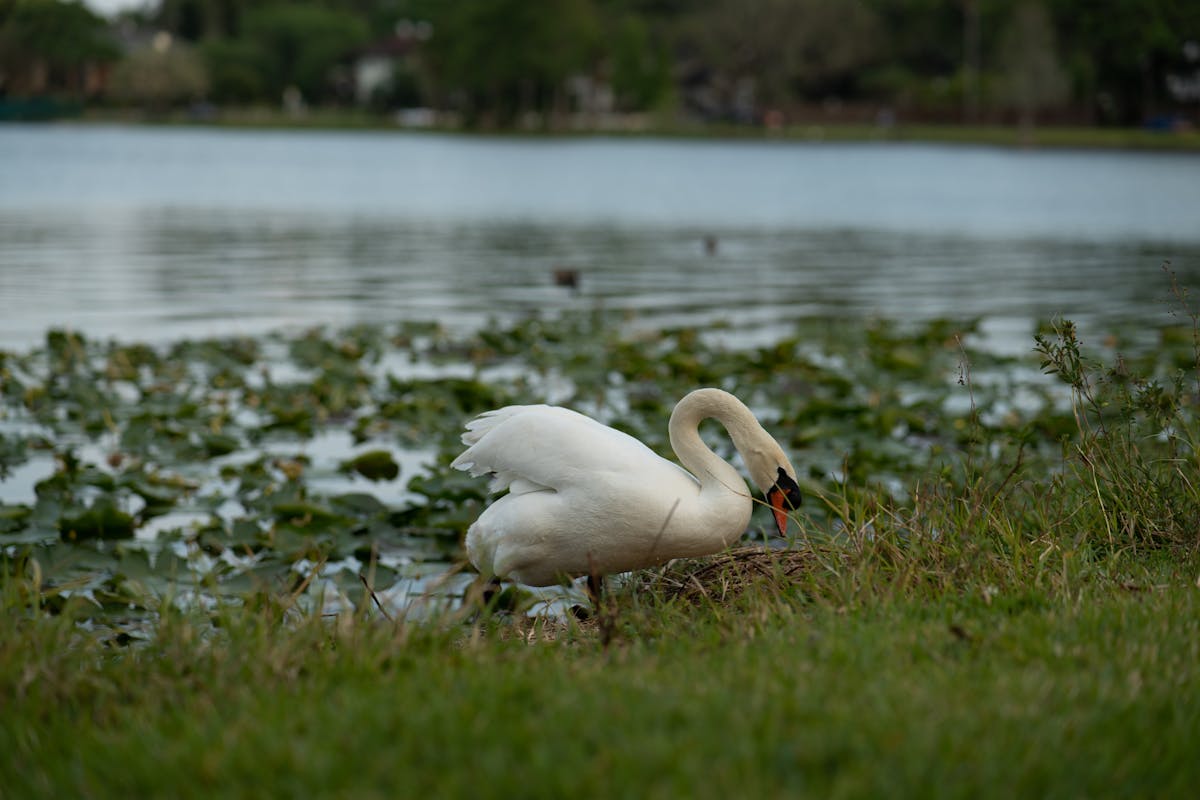
The Boardwalk Route
A raised wooden boardwalk runs along the eastern edge of the reserve for approximately one kilometre. Interpretive panels in Montenegrin and English identify the bird species you are most likely to spot in each season. The boardwalk is flat, wheelchair-accessible, and shaded by occasional tamarisk trees. It takes fifteen to twenty minutes at a steady pace, longer if you stop to photograph birds at each viewing platform.
The trail connects to a gravel path that continues south toward the Tivat waterfront promenade. If you walk the full route, boardwalk plus promenade, you end up at Porto Montenegro in about forty minutes. It makes a pleasant morning walk before the heat builds, and you pass through a landscape that shifts from wetland to urban marina in under two kilometres.
When to Visit
Each season offers something different. Spring (March to May) brings nesting activity, migrating flamingos, and wildflowers along the boardwalk. Summer is quieter for birds but the evening light on the salt flats is extraordinary for photography. Autumn migration (September to November) is the second flamingo window. Winter brings overwintering ducks and the lowest visitor numbers, you may have the entire reserve to yourself. For more nature around Tivat, see the Island of Flowers guide.
Early morning and late afternoon are the best times regardless of season. Birds are most active at dawn and dusk, and the low-angle light makes the shallow water glow gold. Midday heat drives most species into shade or deeper water where they are harder to spot.
Photography Tips
The boardwalk faces east, which means morning light hits the birds directly and afternoon light comes from behind you, both are usable, but sunrise produces the warmest colours on the salt pans. A 200mm lens is the minimum for identifiable bird shots from the boardwalk; 400mm is better. The tamarisk trees along the path attract warblers and finches that are easier to photograph at close range. Tripods are allowed on the boardwalk but the wooden decking vibrates when other visitors walk past, so a monopod or handheld stabilisation works better.
Getting There and Practicalities
From TIV airport, exit the car park and turn right. After 400 metres, look for the brown Solila nature reserve sign on the left. A small unpaved parking area holds six to eight cars. There are no entrance fees, no opening hours, and no facilities, bring water, sunscreen, and mosquito repellent in summer. The reserve is managed by the Tivat municipality's environmental office, and volunteer clean-up days happen twice a year if you want to contribute.